




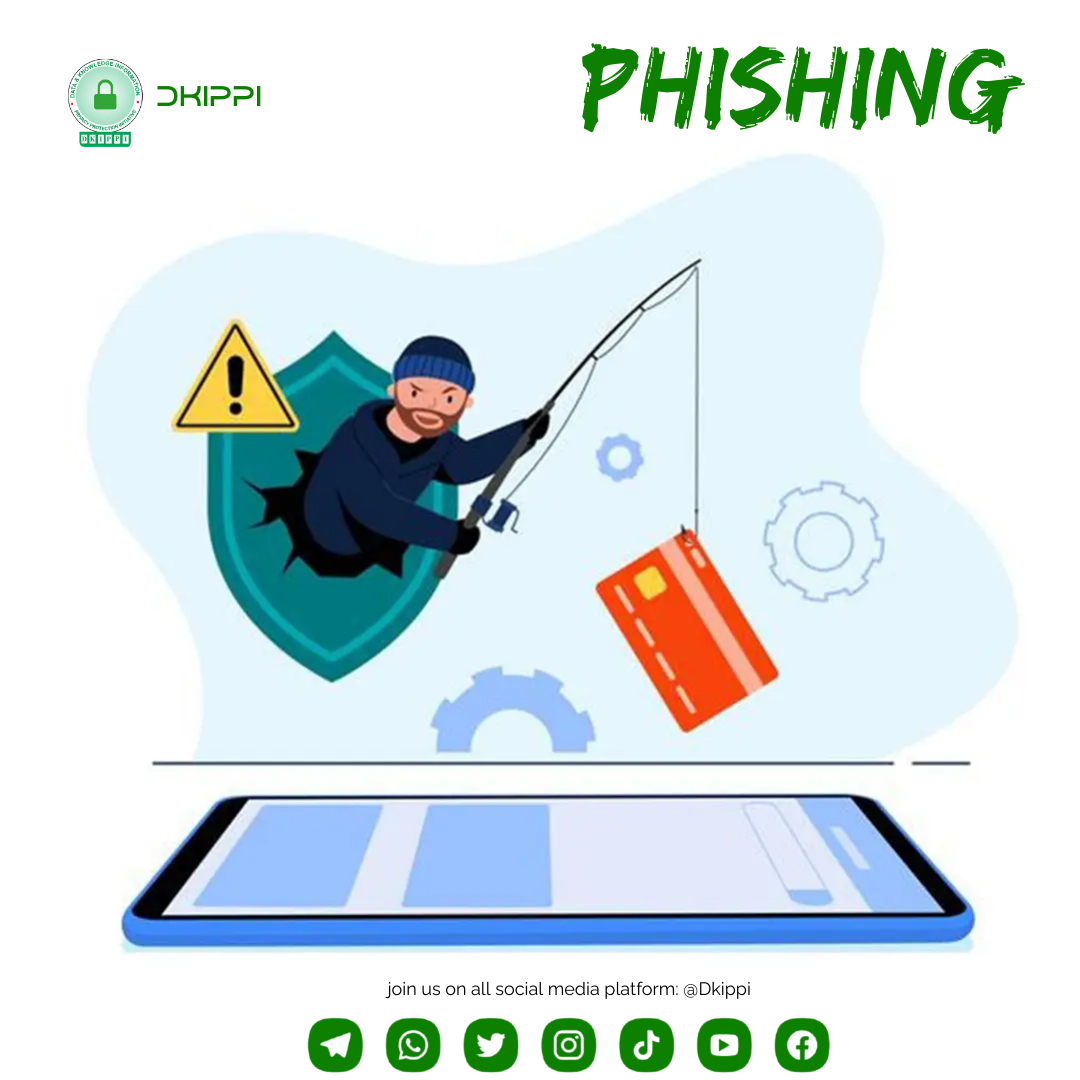
Phishing is a form of online fraud that involves tricking individuals into providing personal information, such as passwords or credit card numbers, by disguising themselves as legitimate sources. It is a serious threat to data privacy and can lead to identity theft and financial fraud. Here are some key facts about phishing and data privacy:

- Phishing scams come in many forms. Phishing scams can take the form of emails, text messages, phone calls, or even social media messages. They often appear to be from legitimate sources, such as banks, government agencies, or well-known companies.
- Phishing scams can be hard to spot. Scammers are becoming increasingly sophisticated in their tactics, and phishing emails can be very convincing. They may use logos, language, and formatting that mimics legitimate sources, making it difficult to tell a phishing email from a legitimate one.
- Phishing scams can lead to serious consequences. If you fall for a phishing scam, the consequences can be severe. Your personal information may be used to commit identity theft or financial fraud, and you may lose access to your accounts or suffer financial losses.
- Phishing scams can be prevented. There are several ways to protect yourself from phishing scams. One of the most effective ways is to be cautious of emails or messages from unknown sources and never click on links or provide personal information in response to an unsolicited message.
- Use anti-phishing tools. Many email providers and web browsers have built-in anti-phishing tools that can help to identify and block phishing emails. Additionally, anti-phishing software can be downloaded or purchased for personal or business use.
- Be skeptical of unsolicited requests for personal information. Legitimate sources will not typically ask for personal information via email or phone. Be suspicious of any unsolicited request for sensitive information and independently verify the request before providing any information.
- Use two-factor authentication wherever possible. Two-factor authentication (2FA) is an additional security measure that requires a user to provide two forms of identification before accessing an account. This can help to protect your personal information from being compromised by hackers.
- Educate yourself about phishing tactics. Knowing the common tactics and techniques used in phishing scams can help you to identify and avoid them. Many organizations and government agencies provide information and training on how to identify and prevent phishing scams.
In summary, phishing is a serious threat to data privacy and can lead to identity theft and financial fraud. It is important to be aware of the potential risks and know how to protect yourself from falling prey to a phishing scam. By being cautious of emails or messages from unknown sources, using anti-phishing tools, being skeptical of unsolicited requests for personal information, using two-factor authentication, and educating yourself about phishing tactics, you can help to ensure that your personal information stays safe and secure.