




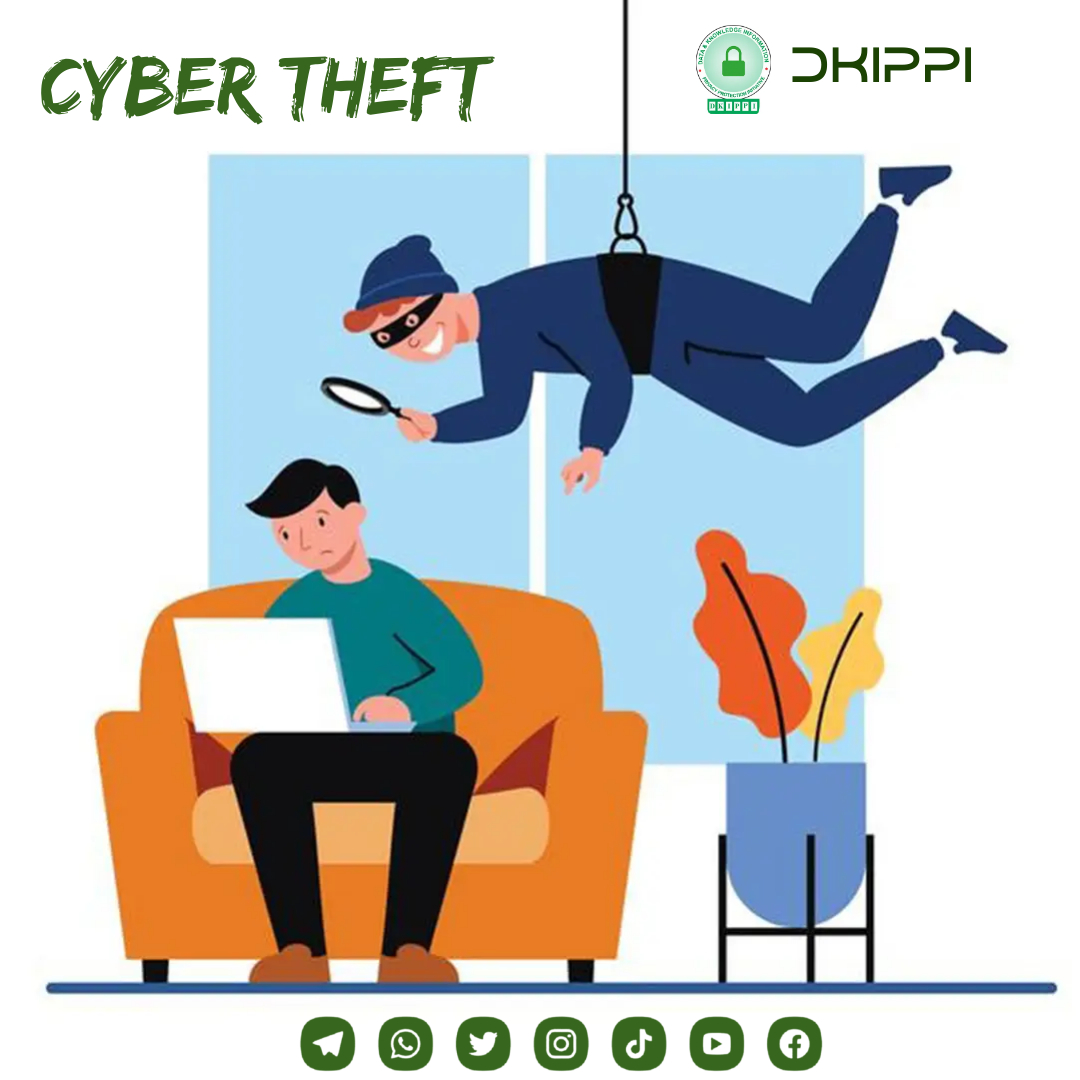
BEWARE OF FRAUDSTERS!
Online fraud is a growing problem, with scammers becoming increasingly sophisticated in their tactics. It’s important to be aware of the potential risks and know how to protect yourself from becoming a victim. Here are some tips to help you avoid falling prey to online fraudsters:
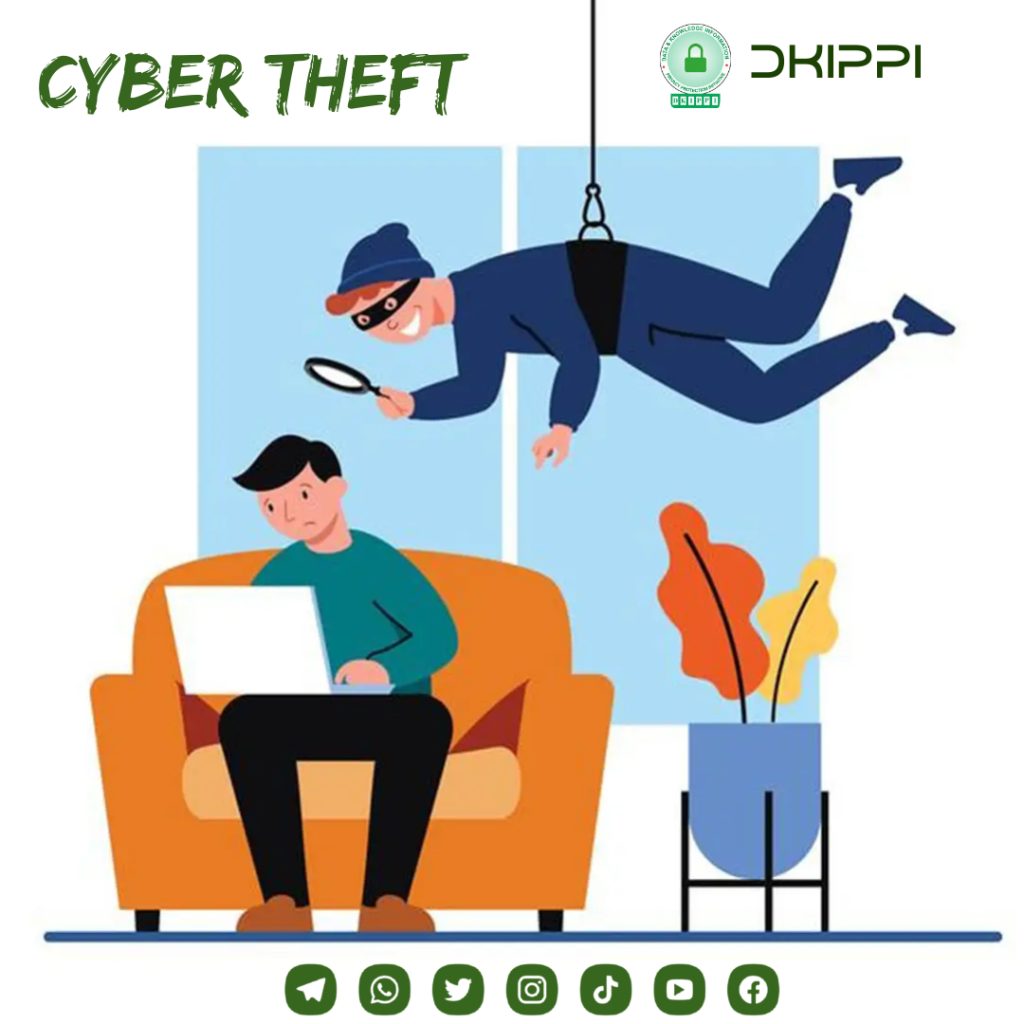
Online fraud is a growing problem, with scammers becoming increasingly sophisticated in their tactics. It’s important to be aware of the potential risks and know how to protect yourself from becoming a victim. Here are some tips to help you avoid falling prey to online fraudsters:
- Be wary of unsolicited emails or messages. Fraudsters will often try to lure you in with promises of free money or prizes. Be especially cautious of emails that ask for personal information, such as your Social Security number or bank account information.
- Be cautious of clicking on links or downloading attachments from unknown sources. These may contain malware or phishing scams that can steal your personal information.
- Don’t trust caller ID. Scammers can use technology to make it appear as though they are calling from a legitimate source, such as a bank or government agency. Don’t give out personal information over the phone unless you initiate the call and are sure you are speaking to a legitimate representative.
- Use strong, unique passwords for all of your online accounts. Avoid using the same password for multiple accounts, as this makes it easier for fraudsters to gain access to your personal information.
- Keep your computer and mobile devices updated with the latest security software. This will help to protect against malware and other malicious software that can be used to steal your personal information.
- Be cautious of online shopping and auction sites. Be sure to only shop with reputable retailers and be wary of online auction sites that have a history of fraud.
- Be careful with online banking and financial transactions. Be sure to only use secure websites and never give out your personal financial information unless you are certain that you are dealing with a legitimate business.
- Be aware of phishing scams. Fraudsters may send you an email or text message that appears to be from a legitimate source, such as your bank or credit card company, asking you to confirm your personal information. Be sure to never click on links in these messages and never give out your personal information.
- Be aware of social media fraud. Fraudsters may create fake social media profiles to trick you into giving them personal information. Be careful of friend requests from people you don’t know and never give out personal information on social media.
- Be aware of online dating fraud. Fraudsters may create fake online dating profiles to trick people into giving them money. Be sure to be cautious of online dating profiles that seem too good to be true and never send money to someone you haven’t met in person.
It’s important to remember that scammers are always looking for new ways to steal your personal information, so it’s important to stay vigilant and be aware of the latest scams. If you think you may have fallen victim to a scam, contact your bank or credit card company immediately and report it to the appropriate authorities.
In summary, online fraud is a serious issue and it is important to be aware of the potential risks and know how to protect yourself from becoming a victim. By following these tips, you can help to ensure that your personal information stays safe and secure.